
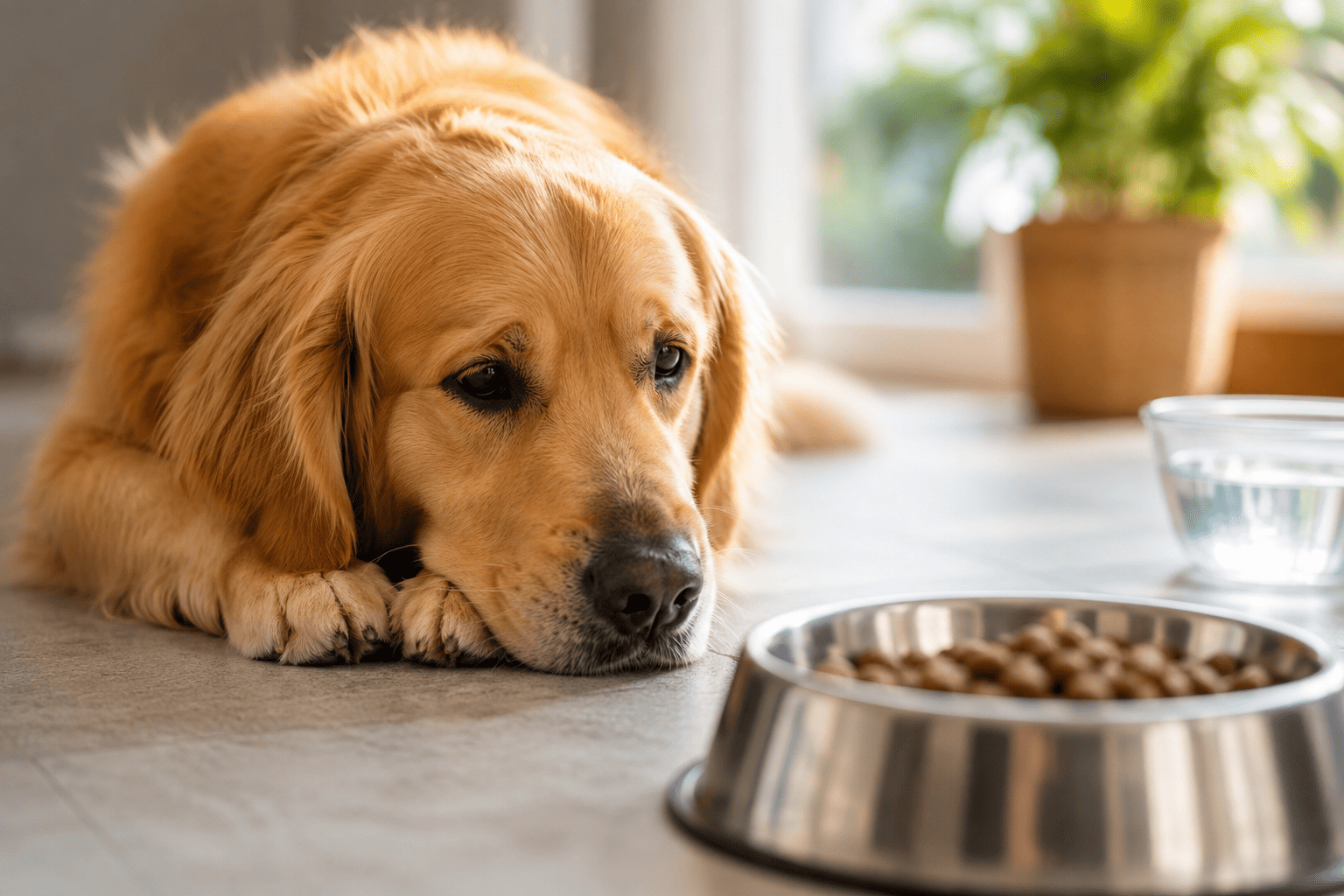
During the summer, many dogs tend to eat less. If you’ve noticed your pet leaving food in the bowl or taking longer to approach it, you may be wondering: why won’t my dog eat in hot weather?
In most cases, this isn’t a sign of illness but a natural response to high temperatures. However, it’s important to know when a reduced appetite is temporary and when it could indicate a health issue.
In this article, you’ll learn the most common causes, how to help your dog eat better, and when it’s time to visit the veterinarian.
Is It Normal for Dogs to Eat Less in Summer?
Yes. When temperatures rise, dogs usually need less energy because they are less active. They also tend to rest during the hottest hours of the day and prefer eating early in the morning or later in the evening.
If your dog is still drinking water, behaving normally, and eating when it’s cooler, there’s usually no cause for concern.
Why Do Dogs Lose Their Appetite in Hot Weather?
The most common reasons include:
- Lower energy requirements
- Discomfort caused by heat
- Changes in daily activity patterns
- Increased water intake leading to a feeling of fullness
These changes are typically temporary and improve when temperatures drop.
How Can I Help My Dog Eat Better?
If your dog is otherwise healthy, these tips can help:
- Offer food early in the morning or in the evening
- Always provide fresh, clean water
- Avoid intense exercise before meals
- Serve smaller portions to preserve aroma and freshness
- Place the food bowl in a cool, quiet area
You can also slightly moisten dry food with warm water to enhance its smell and make it more appealing.
Can I Give My Dog Natural Treats?
Yes, as long as they complement your dog’s diet and don’t replace regular meals.
Natural dog treats, made without artificial additives, preservatives, or colorings, are an excellent option during summer. They are highly palatable, help keep dogs entertained, and can even support dental health when chosen appropriately.
When Should I See a Veterinarian?
Although it’s common for dogs to eat less in hot weather, certain situations require professional attention.
Contact your veterinarian if your dog:
- Refuses food for more than 24 hours
- Also refuses to drink water
- Shows vomiting or diarrhea
- Appears lethargic or weak
- Has difficulty walking
- Pants excessively even at rest
These symptoms may be linked to heatstroke or other health issues that need treatment.
How to Prevent Loss of Appetite in Summer
You can help your dog feel more comfortable with these simple steps:
- Avoid walks during the hottest hours
- Always provide access to fresh water
- Ensure shaded, cool resting areas
- Reduce exercise intensity on very hot days
- Maintain a consistent feeding routine
With these small adjustments, many dogs regain their appetite naturally.
Conclusion
If your dog won’t eat in hot weather, it’s most likely a normal adaptation to high temperatures. Adjusting feeding times, ensuring proper hydration, and providing a cool environment are usually enough to help them eat normally again.
However, if the loss of appetite persists or is accompanied by symptoms such as vomiting, diarrhea, lethargy, or refusal to drink water, it’s important to consult your veterinarian as soon as possible.
Frequently Asked Questions (FAQ)
Is it normal for my dog to eat less in hot weather?
Yes. It’s a natural response to help regulate energy and adapt to high temperatures.
What can I do to encourage my dog to eat?
Offer meals during cooler hours, provide fresh water, and avoid intense exercise before feeding.
Can I give treats if my dog has a low appetite?
Yes, in moderation. Choose high-quality natural treats that complement a balanced diet.
When should I be concerned?
If your dog refuses food for more than 24 hours, won’t drink water, or shows symptoms like vomiting, diarrhea, or lethargy.