
Summer is one of the best times to enjoy outdoor walks with your dog. However, high temperatures also bring a hidden risk that many owners overlook: your dog’s paw pads can burn when walking on hot surfaces.
Although paw pads are tough, they are not designed to withstand extreme heat for long periods. A simple walk during the hottest hours of the day can lead to discomfort, cracks, and even burns.
In this article, you’ll learn how to prevent these injuries, recognize early symptoms, and protect your dog’s paws during the hottest months of the year.
Why Do Dogs’ Paw Pads Get Burned?
Surfaces like asphalt, sidewalks, sand, and stone can reach temperatures much higher than the air.
When the thermometer reads 30°C (86°F), the ground can easily exceed 50–60°C (122–140°F)—hot enough to cause burns in just seconds.
Dogs don’t wear shoes, so their paw pads come into direct contact with these extreme temperatures.
How to Tell If the Ground Is Too Hot
There’s a simple rule you can follow.
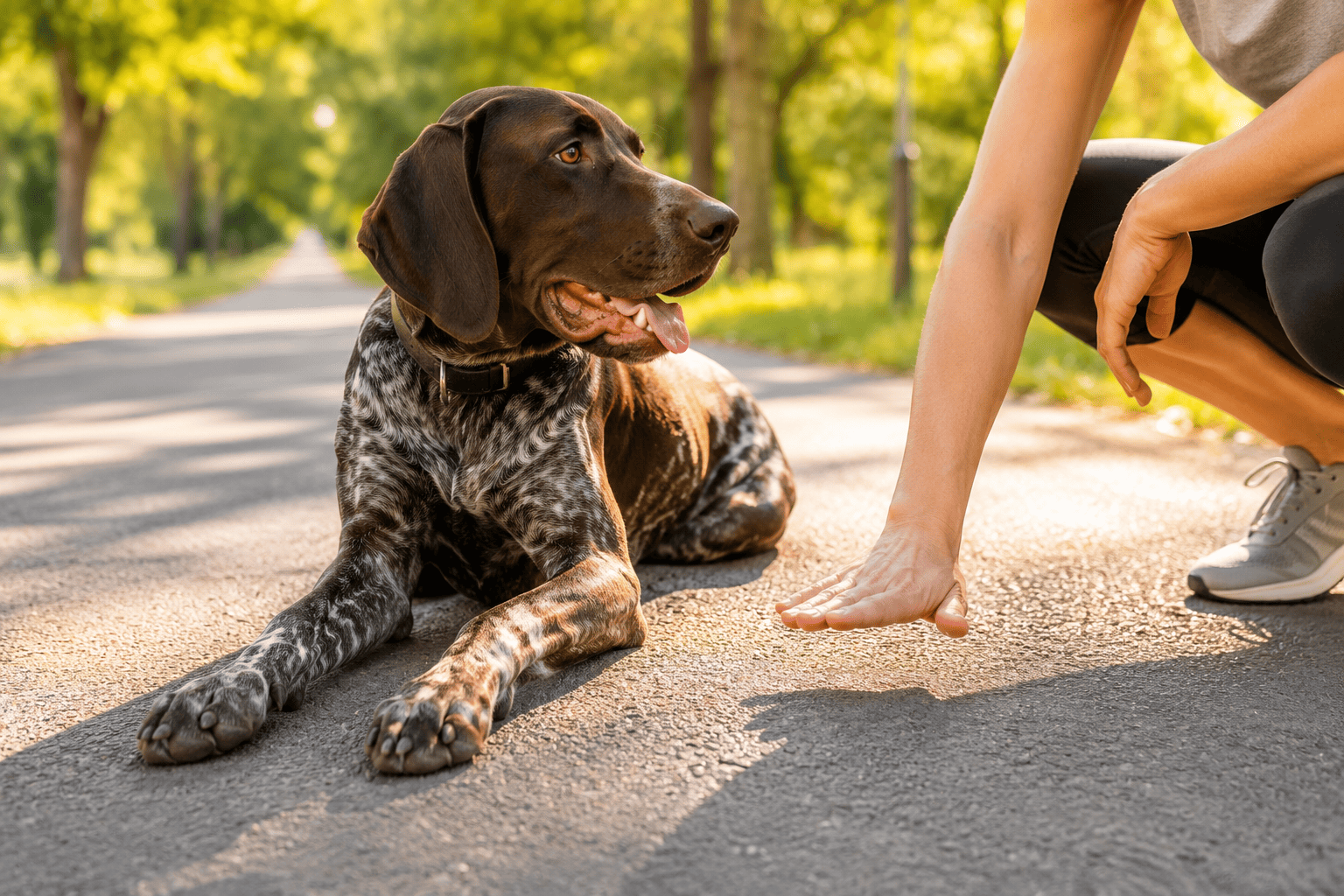
Place the back of your hand on the pavement for five seconds.
If it’s too hot for you to keep it there, it’s too hot for your dog’s paws.
In that case, wait until it cools down or choose grassy or dirt areas for your walk.
Signs of Burned Paw Pads
Always check your dog’s paws after a walk.
Watch for these warning signs:
- Limping or difficulty walking
- Constant licking of the paws
- Red or inflamed paw pads
- Cracks or blisters
- Sensitivity when touching the paws
- Refusal to continue walking
If you notice any of these symptoms, avoid hot surfaces and consult your veterinarian.
How to Protect Your Dog’s Paw Pads
With a few simple changes, you can significantly reduce the risk of injuries.
Walk Early in the Morning or Late in the Evening
These are the coolest times of the day, making walks safer and more comfortable.
Choose Green Areas
Whenever possible, walk on grass, dirt, or natural trails instead of asphalt.
Bring Water on Walks
Keeping your dog hydrated helps them cope better with the heat.
Shorten Walk Duration
On extremely hot days, it’s better to take shorter, more frequent walks.
Check Their Paws After Every Walk
It only takes a few seconds and can help you spot injuries before they worsen.
What to Do If Your Dog’s Paw Pads Are Burned
If you suspect your dog has burned paw pads:
- Move your dog to a cool area
- Gently rinse the paws with cool (not ice-cold) water
- Do not pop blisters or apply products without veterinary advice
- Prevent further contact with hot surfaces
- Visit a veterinarian if the injury is severe or pain persists
Quick action can speed up recovery and prevent complications.
Can Natural Snacks Help in Summer?
While snacks don’t directly protect paw pads, they can be a great reward after walks or a way to keep your dog entertained during the hottest hours, when physical activity should be limited.
Choosing treats made with natural ingredients—free from artificial additives, preservatives, and colorings—is a smart way to complement a balanced diet.
Summer Safety Tips for Your Dog
In addition to protecting their paws, keep these tips in mind:
- Avoid walking between 12:00 PM and 6:00 PM
- Always carry fresh water
- Look for shaded areas
- Never leave your dog inside a car
- Watch for excessive panting or signs of fatigue
With simple precautions, you can enjoy summer without putting your dog’s health at risk.
Conclusion
Your dog’s paw pads are an essential part of their body and deserve proper care.
Avoiding hot pavement, choosing the right walking times, and checking their paws after every outing are simple steps that can prevent painful injuries and make your summer much safer.
Frequently Asked Questions (FAQ)
At what temperature does pavement become dangerous?
Depending on the material and sun exposure, it can easily exceed 50°C (122°F) on hot days.
How do I know if my dog’s paw pads are burned?
Common symptoms include limping, excessive licking, redness, cracks, or blisters.
What should I do if my dog burns their paws?
Rinse with cool water, avoid hot surfaces, and consult your veterinarian if the injury is serious.
What is the best time to walk a dog in summer?
Early morning or late evening, when the ground is much cooler.