After a few weeks of holidays, different schedules, and more time together, September brings a significant change not only for us but also for our dogs.
During the summer, it’s common to adjust walking times, meals, and rest schedules. Some dogs spend more time with their families, go out more often, or even travel with them.
That’s why, when September arrives, gradually returning to a routine can help your dog adapt better to new schedules and daily activities.
The good news is that it doesn’t have to be complicated. With a few small adjustments, you can get back to your usual habits and make the transition much easier.
Do Dogs Need a Routine?
Yes. Although every dog has its own needs and personality, maintaining some consistency in things like feeding times, walks, rest, and activity can help them understand what to expect from their day.
Dogs are very sensitive to changes in their environment and in our habits. That’s why, after a summer with more flexible schedules, it’s normal for them to notice that something has changed during the first few days.
This doesn’t necessarily mean there’s a problem. They just need a short adjustment period.
How to Get Back to Routine After the Holidays
1. Gradually Return to Regular Schedules
If during the summer your dog went to bed later, ate at different times, or had walks at unusual hours, try to slowly bring back the usual routine.
There’s no need to change everything overnight.
If possible, during the last days of your vacation you can start gradually adjusting to the schedule your dog will follow in September.
2. Keep Consistent Feeding Times
Feeding is one of the easiest elements to structure into a daily routine.
Try to keep relatively stable meal times and avoid making major changes to your dog’s diet at the same time as other routine changes.
If you plan to introduce a new food, do it gradually and follow proper recommendations.
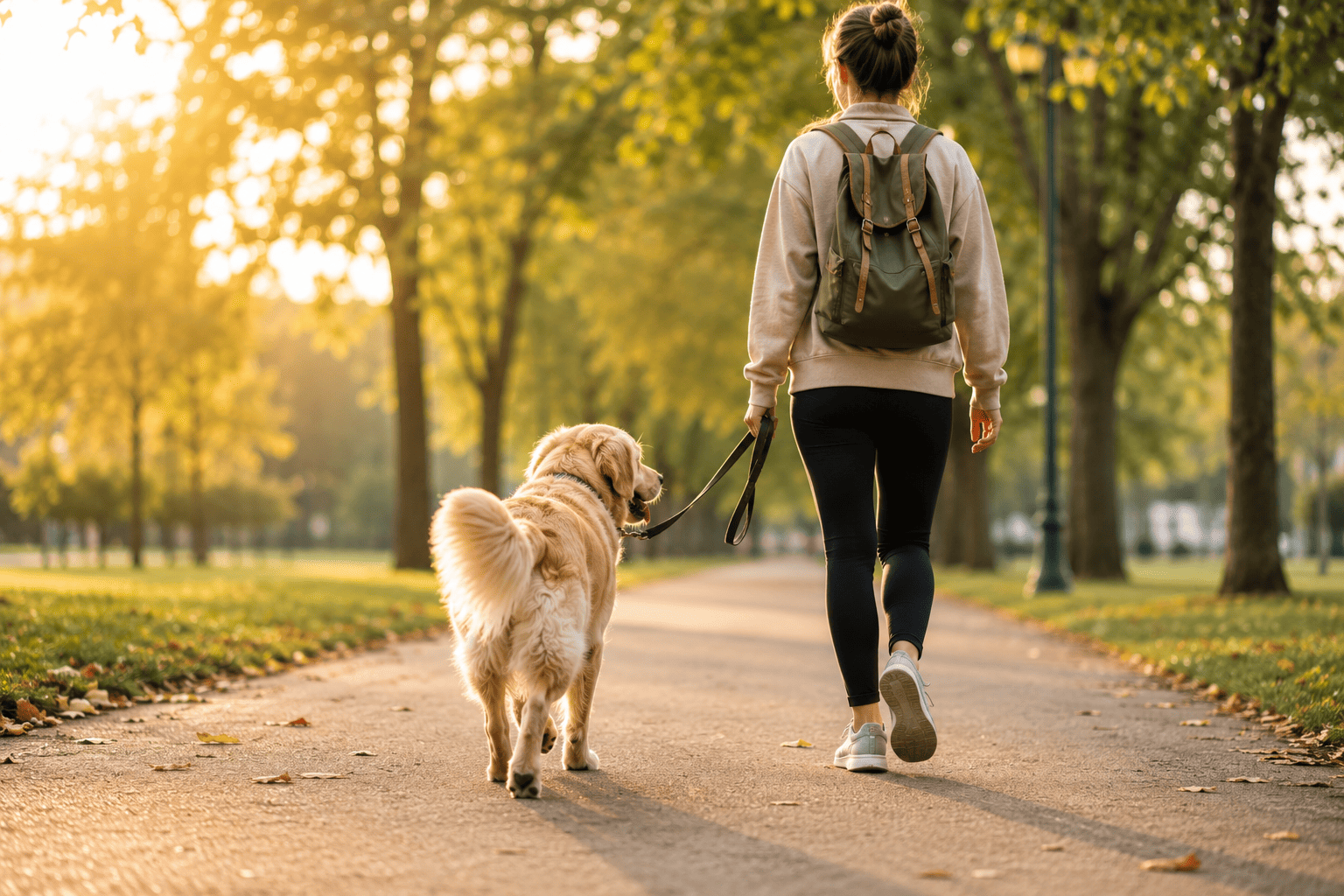
3. Reestablish Walking Times
During the holidays, your dog has likely enjoyed longer walks, trips, or outings at different times of the day.
With the arrival of September, schedules may change.
Make sure your dog still gets enough physical and mental activity, even if walks need to adapt to your new routine.
A quality walk doesn’t have to be just about covering distance. Allowing your dog to sniff, explore, and discover their surroundings is also an essential form of stimulation.
4. Don’t Forget Mental Stimulation
When we return to work and daily responsibilities, our dogs may spend more time at home.
To balance this, you can include mental stimulation activities.
Some options include:
- Scent games
- Interactive toys
- Treat-search games
- Short training sessions
- Activities suited to their age and size
- Appropriate natural chews
You don’t need to keep your dog entertained all day. The key is to provide appropriate opportunities for them to use their senses and stay mentally active.
What If Your Dog Has to Stay Alone Again?
This can be one of the biggest changes after the holidays.
If your dog has been accompanied almost all day for several weeks, suddenly being left alone for hours can be difficult.
Whenever possible, try to make the transition gradual.
Start with short absences and slowly increase the time, always observing how your dog responds.
It can also help to prepare a calm and safe space where your dog can relax.
If you notice persistent barking, destruction, escape attempts, accidents indoors, or other concerning behaviors when left alone, consult a veterinarian or a canine behavior professional.
Treats Can Also Be Part of the Routine
Snacks can be used in different everyday activities.
For example, you can use them to reinforce behavior during training sessions, play scent games, or simply offer a reward during calm moments.
At Gespetfood, we focus on natural snacks for dogs, designed to enjoy those small rewarding moments.
The key is to choose a suitable snack for your dog and offer it in appropriate amounts as part of their daily diet.
How Long Will It Take My Dog to Adapt?
There’s no universal timeframe.
Some dogs quickly return to their usual habits, while others need more time, especially if the change has been significant.
A dog’s age, personality, past experiences, and circumstances all influence how well they adapt.
That’s why it’s best to observe your dog and make changes gradually.
A New Routine Can Also Bring New Moments Together
Returning to a routine doesn’t have to mean the end of good times.
You can turn daily walks, training sessions, scent games, and small rewards into special moments that become part of your everyday life.
Because while September may mean going back to work and regular schedules for us, for your dog it can simply be a new opportunity to spend quality time together.