
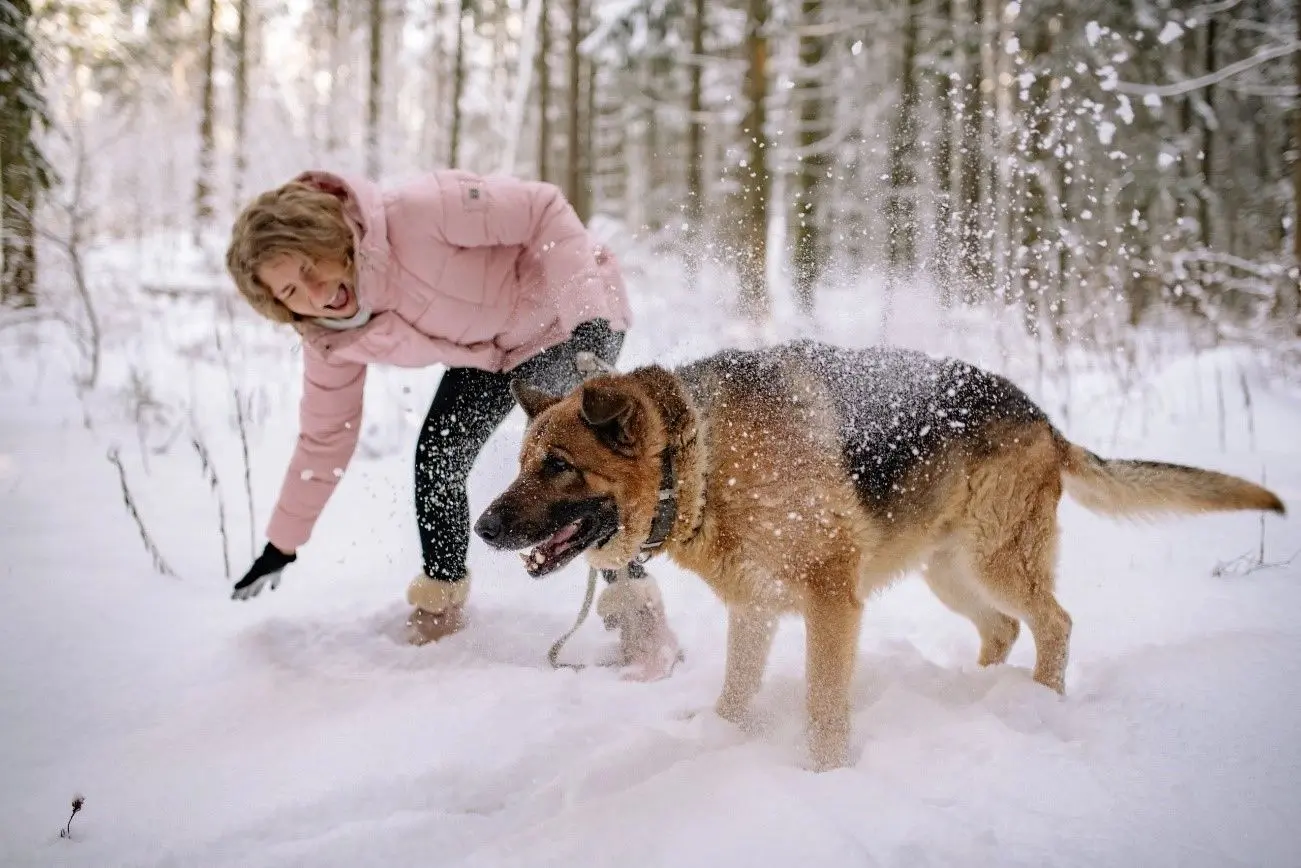
Winter is a wonderful season to enjoy snow, walks in parks and cozy evenings at home, but it’s also a time of year that presents certain challenges for our dogs. Low temperatures, humidity and changing weather conditions can affect both the physical and emotional health of our furry companions. In this article, we offer some tips for keeping your dog comfortable and healthy during the winter.
- Cold and its Effects on Dogs
Dogs, like us, can experience discomfort due to extreme cold. Small breeds or those with little fur are more susceptible to cold temperatures, as they do not have the same thermal insulation as other dogs with thicker coats. If your dog is a small breed, aging or sick, he is more likely to feel cold quickly.
In addition to discomfort, prolonged exposure to cold can lead to health problems such as colds or, in more severe cases, hypothermia. To avoid this, it is important to limit outdoor exposure on very cold days and, if necessary, wear appropriate clothing for your dog, such as jackets or coats.
- Hydration and nutrition
Although winter is usually not as hot as summer, your dog still needs to stay hydrated. Dry indoor air from heaters can dehydrate your pet, so make sure he always has fresh water available. Also, in winter it may be necessary to adjust their diet, as the energy expenditure to maintain their body temperature may increase. It is important to consult your veterinarian to ensure that their diet is adequate for the season.
- Slippery Slopes: Winter Hazards
Ice and snow can create slippery surfaces, increasing the risk of falls and injuries to your dog’s paws or joints. Older breeds or those with joint problems are particularly vulnerable. Be sure to walk with caution and, if necessary, wear dog boots to protect their paws from the extreme cold and chemicals used on the streets to melt ice. This will also prevent their pads from cracking or getting sore from the cold.
- How to Take Care of Your Dog’s Paws During the Winter
Your dog’s paws suffer the most during the winter. Snow and ice can build up between the pads, which could cause discomfort and even injury if not properly removed. In addition, chemicals such as salt and chlorine used to break up ice can irritate their paws. It is advisable to clean their paws with warm water after every walk and, in cases of very cold temperatures, consider wearing dog boots.
- Prevention of Respiratory and Eye Diseases
Cold, dry air can also affect your dog’s respiratory system, especially if he has pre-existing conditions such as respiratory problems or allergies. Keep your dog away from cold drafts and make sure he has a warm, comfortable place to rest. Also, dogs’ eyes can be irritated by wind and snow, so watch for any signs of redness or discharge and consult a veterinarian if necessary.
REMEMBER!
Winter can be a challenging time for our dogs, but with proper care, we can keep them healthy and happy during this season. Always remember to adjust their diet, provide them with warmth and protection on walks, and don’t neglect their hydration and overall health. With a little extra attention, your dog will enjoy the winter as much as you do.