When we think about our dog’s health, we tend to focus on whether he’s sick, whether he’s playing, or whether he’s eating heartily. However, there are small, everyday signs that may indicate his diet isn’t meeting all his needs.
Your hair, skin, digestion, and even your mood may be related to what you eat every day.
If you’ve noticed any of these changes, it might be time to take a closer look at their diet and opt for higher-quality options made with natural ingredients.
Here are the 7 most common signs.
1. Her hair has lost its shine
One of the first signs of an unbalanced diet is often reflected in the coat.
A healthy dog usually has a shiny, strong, and soft coat. If you notice that your dog’s coat looks duller, is dry, or that your dog is shedding more than usual, it may be due to a diet that doesn’t provide enough essential nutrients.
Foods rich in high-quality protein and healthy fats help maintain healthy skin and a beautiful coat.
2. He has frequent digestive problems
Are your stools too loose?
Do you often have gas?
Do you vomit from time to time for no apparent reason?
The digestive system is often one of the first to let us know that something isn’t right.
A proper diet promotes healthy digestion and firm, regular bowel movements.
If these problems recur, it’s a good idea to consult your veterinarian to rule out any illness and review your pet’s diet.
3. He always seems to be hungry
Some dogs would eat at any time, but if they keep looking for food even after finishing their meal, their diet may not be providing them with the necessary feeling of fullness.
This can happen when foods contain low-quality ingredients or do not adequately meet your nutritional needs.
4. He shows little interest in playing or going for walks
All dogs have days when they’re more relaxed, but if you notice that your dog is less active than usual, sleeps more, or seems to have less energy, his diet may be a factor.
A balanced diet provides the energy needed to get through the day and enjoy walks, playtime, and exercise.
5. He scratches himself constantly
Itching can have many causes, ranging from environmental allergies to skin conditions.
However, in some cases, they may also be related to diet.
If your dog experiences frequent skin irritations, it’s a good idea to consult a veterinarian to identify the cause and determine whether changes to his diet are necessary.
6. He has bad breath
Bad breath isn’t always related solely to dental hygiene.
Diet can also play a role, especially when there is plaque buildup or poor digestive health.
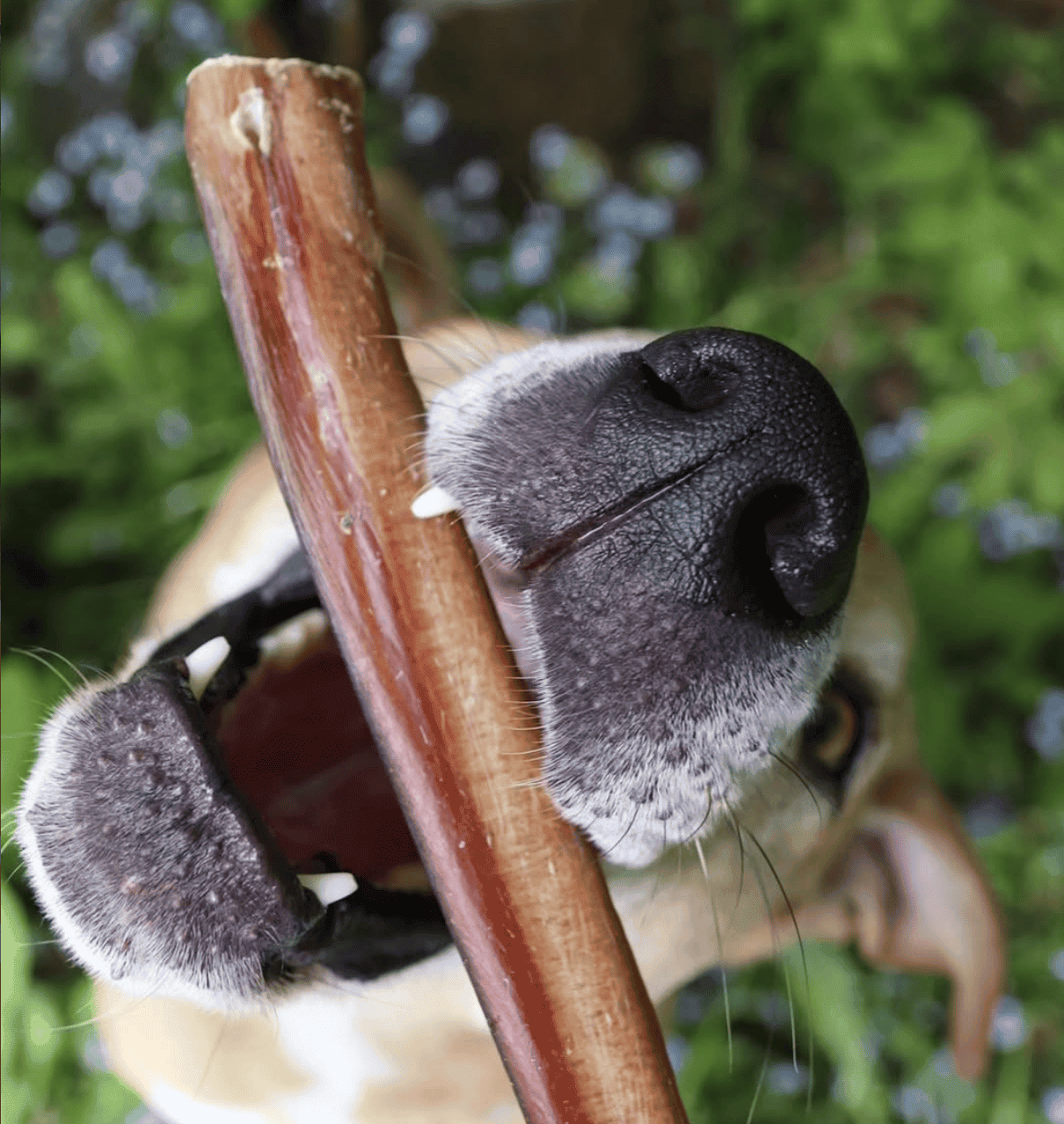
In addition to brushing, offering dogs natural snacks that encourage chewing can help maintain better oral hygiene.
7. You have gained or lost weight for no apparent reason
Changes in weight are usually a clear sign that something isn’t working as it should.
Being overweight increases the risk of joint, heart, and metabolic diseases.
Conversely, weight loss with no apparent cause also requires veterinary attention.
Maintaining a balanced diet tailored to your dog’s age, size, and activity level is essential for maintaining a healthy weight.
How Can You Improve Your Dog’s Diet?
It isn’t always necessary to make radical changes.
Often, all it takes is to start paying more attention to the quality of the ingredients.
Here are some tips:
✅ Choose foods made with high-quality ingredients.
✅ Introduce dietary changes gradually.
✅ Avoid giving too many ultra-processed treats.
✅ Supplement their diet with appropriate natural snacks.
✅ Make sure they always have fresh water available.
The Importance of a Natural Diet
More and more pet owners are looking for alternatives made with simple, less-processed ingredients.
A diet based on high-quality ingredients can contribute to a dog’s overall well-being and help maintain good digestive health, healthy skin, and a shiny coat.
In addition, combining a balanced diet with natural snacks for treats or entertainment helps keep your pet healthy without giving up those little moments of happiness.
What role do snacks play?
Many people think that snacks are just treats.
However, if chosen correctly, they can also be beneficial.
Natural snacks help:
- Encourage chewing.
- Keep the dog entertained.
- Strengthen the bond during training.
- To supplement a balanced diet.
The key is to choose products made with high-quality ingredients and to offer them in moderation.
When should you consult your veterinarian?
Although diet affects many aspects of health, not all symptoms are related to diet.
If your dog consistently shows any of these signs, or if other symptoms appear—such as persistent vomiting, prolonged diarrhea, severe lethargy, or significant weight loss—it is essential to see a veterinarian for a proper diagnosis.
How can Gespetfood help you?
At Gespetfood, we believe that taking care of a dog starts with providing it with high-quality products.
That’s why we select snacks and natural products designed to complement a balanced diet and contribute to your daily well-being.
Discover our selection of natural snacks and find options tailored to your pet’s needs.
Frequently Asked Questions (FAQ)
How do I know if my dog is getting the right nutrition?
A well-fed dog usually maintains a healthy weight, has plenty of energy, a shiny coat, and regular bowel movements.
Can Dull Hair Be Caused by Your Diet?
Yes. In some cases, it may be related to a diet that doesn’t provide the necessary nutrients, although there may be other causes as well. If the problem persists, consult your veterinarian.
Can natural snacks be part of a balanced diet?
Yes, as long as they are appropriate for the dog and are given in moderation as a supplement to a complete diet.
Is it a good idea to change your diet all at once?
No. It’s best to make a gradual transition over several days to avoid digestive discomfort.
Conclusion
Diet affects much more than just mealtime. It can be reflected in your dog’s coat, energy levels, digestion, or even behavior.
Learning to recognize these signs is the first step toward helping you enjoy a healthier and happier life. Choosing a balanced diet and supplementing it with high-quality natural products can make a difference in your daily well-being.